

 08/12/2025
In a world that is changing at an unprecedented and accelerating pace, the art of event management is no longer limited to preparing venues, arranging seating, or selecting colors.
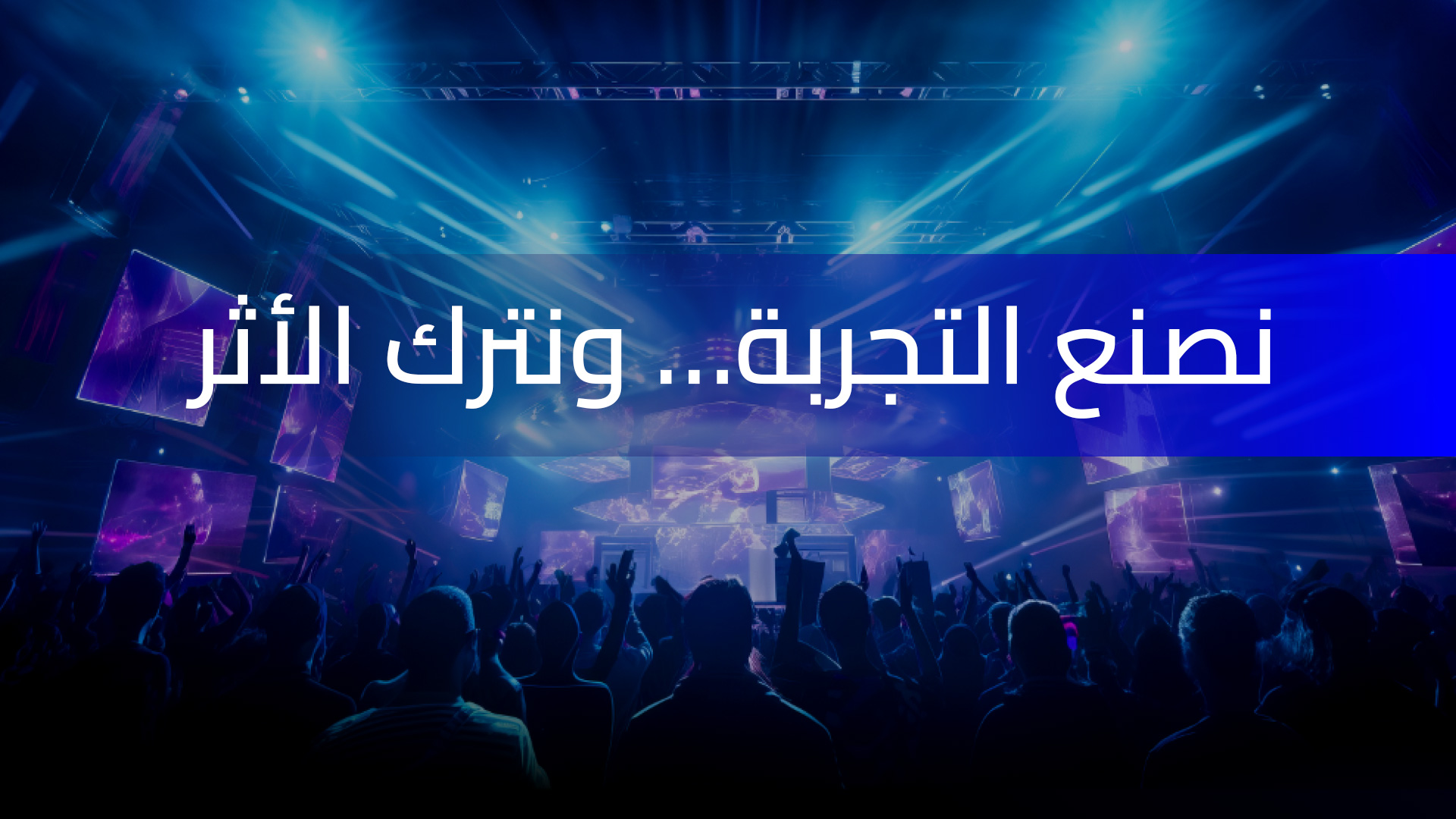
Today, a successful event is a fully integrated experience—one that begins weeks before the actual date, is thoughtfully designed, and leaves a lasting impression that lives on in the memory of its attendees.
Creating the ideal experience requires comprehensive and meticulous planning of every detail. A highly professional team works in harmony to align all elements, transforming them into a refined event that meets guest expectations and reflects the ambitions of the client.
Here, we highlight the key elements that contribute to crafting exceptional experiences in the world of modern events:
The concept is the first spark and the soul of the event—the foundation from which everything else emerges.
Before logistics or visual design come into play, the concept is born. It is not merely a title, but a complete identity that defines the event’s language, message, audience interaction, and even the impressions guests take with them long after it ends.
A concept may be inspired by a company’s vision, a particular season, or a strategic objective the brand aims to achieve.
The clearer, more distinctive, and more innovative the concept, the stronger the event becomes—enhancing its uniqueness and deepening its emotional impact on attendees.
Attendees no longer focus solely on what happens inside the event venue; their experience begins the moment they receive the invitation.
For this reason, the guest journey has become one of the most critical factors in delivering a standout event.
This experience includes several key touchpoints, such as:
This holistic journey makes attendees feel that the event was designed specifically for them—placing them at the heart of the experience and its priorities.
From stage design and color selection to visual backdrops, lighting distribution, and hospitality staff coordination, every element sends a message that the event is cohesive, refined, and thoughtfully executed.
Visual identity is not merely about aesthetics; it is a powerful tool that communicates the event’s message and reflects its quality in every corner.
Key elements that shape a strong visual identity include:
Ultimately, successful visual design goes beyond appearance—it serves the event’s objectives and creates a powerful impression that resonates in every photograph and shared moment.
Technology is no longer an optional addition; it has become an essential component and the driving force behind modern events.
It enhances interaction, elevates professionalism, and raises the overall experience to standards that meet both present and future expectations.
Among the most prominent technologies used in contemporary events are:
The smart integration of technology and experience is what creates events that are modern, innovative, and aligned with the demands of today and the years ahead.
This is where planning turns into reality.
No matter how strong the ideas may be, professional execution remains the defining factor in an event’s success. This relies on organized and thoughtful management that includes key pillars such as:
While guests may not see the management details, they certainly feel their impact in the smooth flow of every moment and the seamless experience from start to finish.
Professionalism does not end when the event concludes—it continues through post-event processes, including:
This level of follow-up reflects a company’s maturity and professionalism, while building long-term trust with clients.
Event management today is a finely balanced blend of creativity and innovation, technology and execution, and guest experience.
Organizations that master this balance are capable of creating truly unforgettable events—
events that remain memorable, translate into tangible success, and deliver genuine added value for clients, partners, and guests alike.