

 08/12/2025
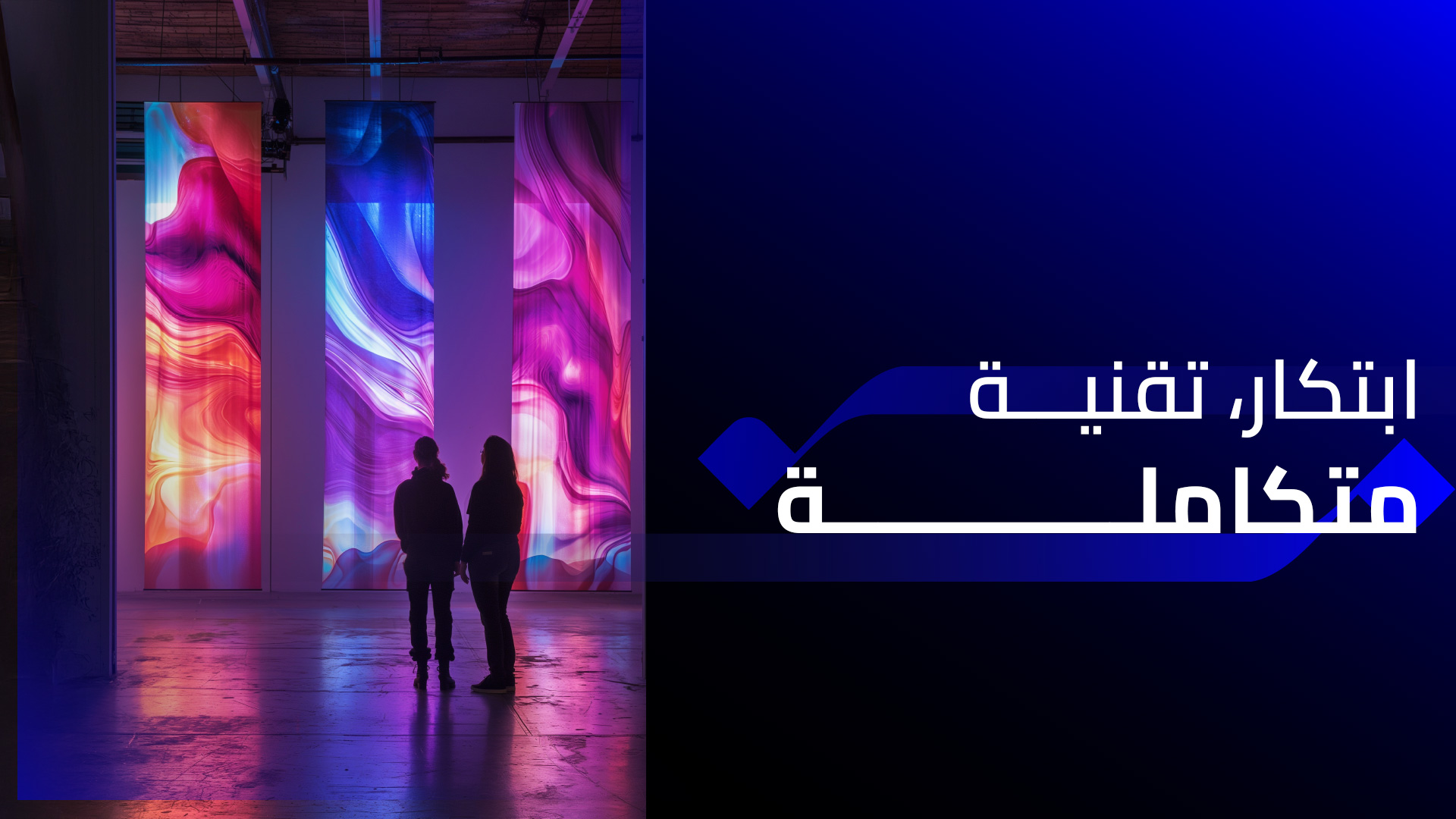
Event management is no longer merely about hosting an occasion at a specific time and place; it has evolved into a comprehensive art focused on creating immersive and impactful experiences.
These experiences blend technology, creativity, and professional execution, with every element playing a vital role in transforming an event into a refined and successful experience that leaves a lasting impression.
Screens are no longer traditional presentation tools; they have become a central element in capturing attention and delivering a fully integrated visual and interactive experience through:
Thanks to these technologies, any event can feel distinctive and captivating—from the very first moment to its conclusion.
Booths are no longer simple display areas; they have become hubs of attraction and engagement within modern events. They are carefully designed to offer attendees a memorable experience through:
The goal is to create a complete interactive journey that reinforces the event’s message and embeds it in the minds of visitors.
Lighting and sound have moved beyond being technical details to becoming core tools in shaping an immersive and impactful experience through:
When used professionally, lighting and sound transform any space into a living, dynamic event that captures attention from start to finish.
Technology has become the backbone of successful events, playing a key role in increasing interaction and enriching the attendee experience. Prominent examples include:
These solutions ensure that the event is modern, innovative, and fully interactive.
Professional planning and meticulous follow-up across all details are the foundation of any successful event. This includes:
Close attention to detail guarantees an organized, seamless, and harmonious event at every stage.
Successful events are those that combine creativity with strategic vision by:
When these elements come together seamlessly, the event transforms into a holistic experience that remains firmly rooted in the audience’s memory.
Event management today relies on the integration of technology, design, creativity, and professional planning.
Elements such as screens, booths, lighting, sound, and digital solutions are no longer mere equipment—they are essential tools for creating an immersive experience that achieves the event’s goals and impresses attendees.
Any event managed with this vision becomes an exceptional experience—one that endures in memory, leaves a lasting impact on attendees, and resonates even with those who hear about it afterward.